
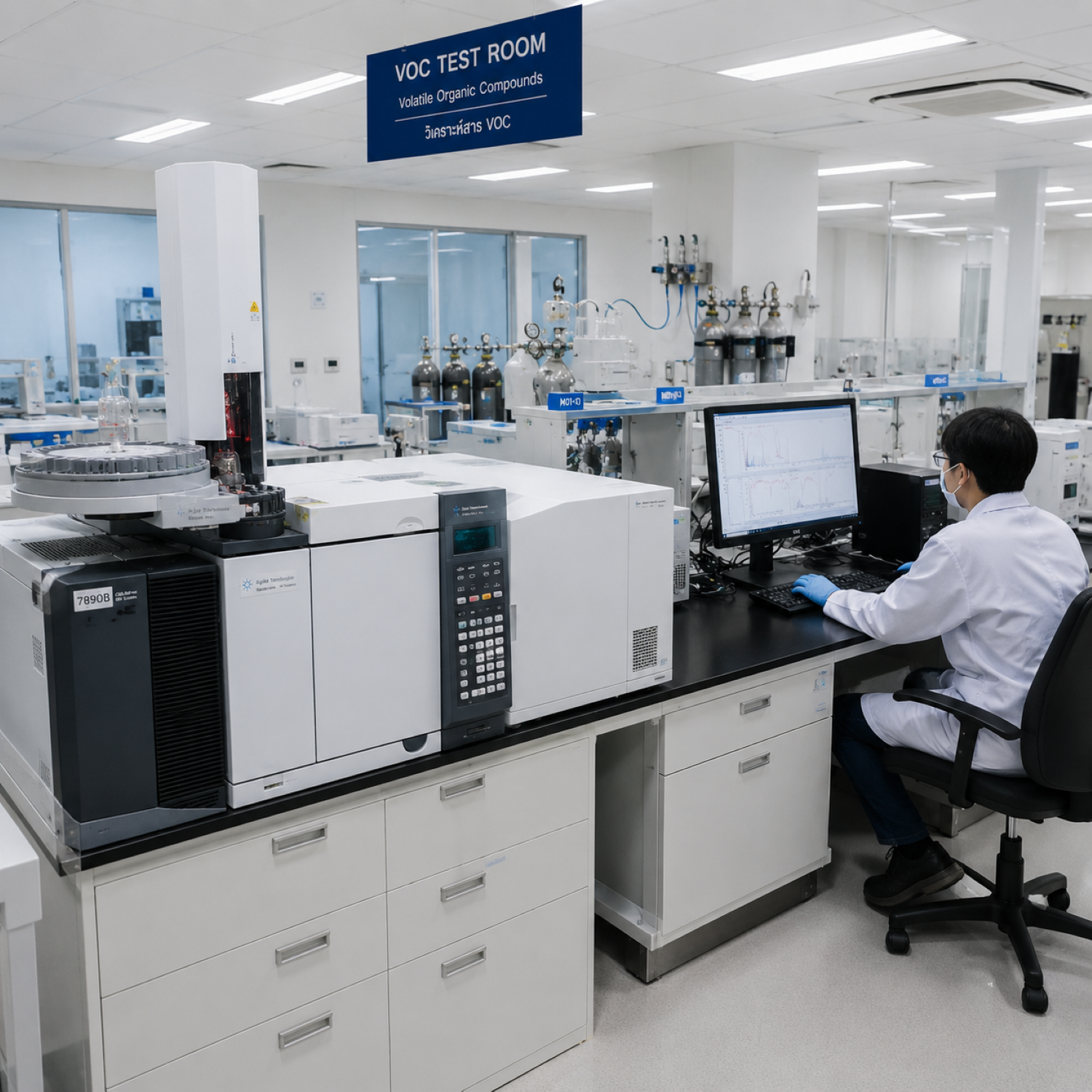
Volatile Organic Compounds, or VOCs, can affect product quality, workplace safety, odor control, and environmental performance. In industries such as automotive, electronics, plastics, coatings, adhesives, and interior materials, a voc test helps manufacturers understand what substances may be released from materials during use, storage, or exposure to heat.
VOC emissions are especially important for products used in enclosed spaces. Automotive interior parts, plastic trims, foams, textiles, sealants, and coatings may release chemical compounds that contribute to odor, fogging, or indoor air quality concerns. Without proper testing, these issues may only become visible after production, shipment, or customer complaints.
Why VOC Testing Matters in Manufacturing
A voc test provides measurable data instead of relying only on smell or visual inspection. This is useful when teams need to compare material suppliers, confirm product consistency, investigate odor complaints, or meet customer requirements.
In automotive production, VOC testing can support compliance with OEM specifications and material approval processes. In electronics and consumer products, it helps verify whether materials are suitable for controlled environments or sensitive applications.
What VOC Testing Can Reveal
VOC testing can identify and quantify compounds released from materials. Depending on the product and test purpose, samples may include plastics, rubber, foam, adhesive, paint, coating, fabric, packaging, or finished components.
The results can help teams understand whether emissions come from raw materials, additives, solvents, curing conditions, or production changes. This makes the test useful not only for compliance but also for root cause investigation.
When Companies Should Consider VOC Testing
VOC testing is useful when a product has odor issues, when a new material is introduced, when supplier materials change, or when a customer requires emission data. It is also helpful during product development, especially for parts used in automotive cabins or enclosed environments.
By using reliable laboratory data, manufacturers can adjust formulations, improve curing processes, compare alternative materials, and reduce the risk of product rejection.
Building Better Quality Control with VOC Data
A proper voc test gives manufacturers a clearer view of material behavior. Instead of waiting for complaints, teams can detect potential emission issues earlier and make decisions based on analytical results.
For companies working with automotive parts, plastics, coatings, adhesives, or interior materials, VOC testing is a practical step toward better product quality, safer material selection, and stronger customer confidence.
Tags: voc test